Health Insurance in Japan for Expats: Complete Guide 2026
Shakai hoken or kokumin kenko hoken: how Japanese health insurance works for foreigners, what it covers, and how to enrol within 14 days of arrival.
Japan has one of the best healthcare systems in the world, built on a mandatory insurance model that covers every resident, including foreign nationals. Understanding how it works before you arrive saves time and avoids costly gaps in coverage.
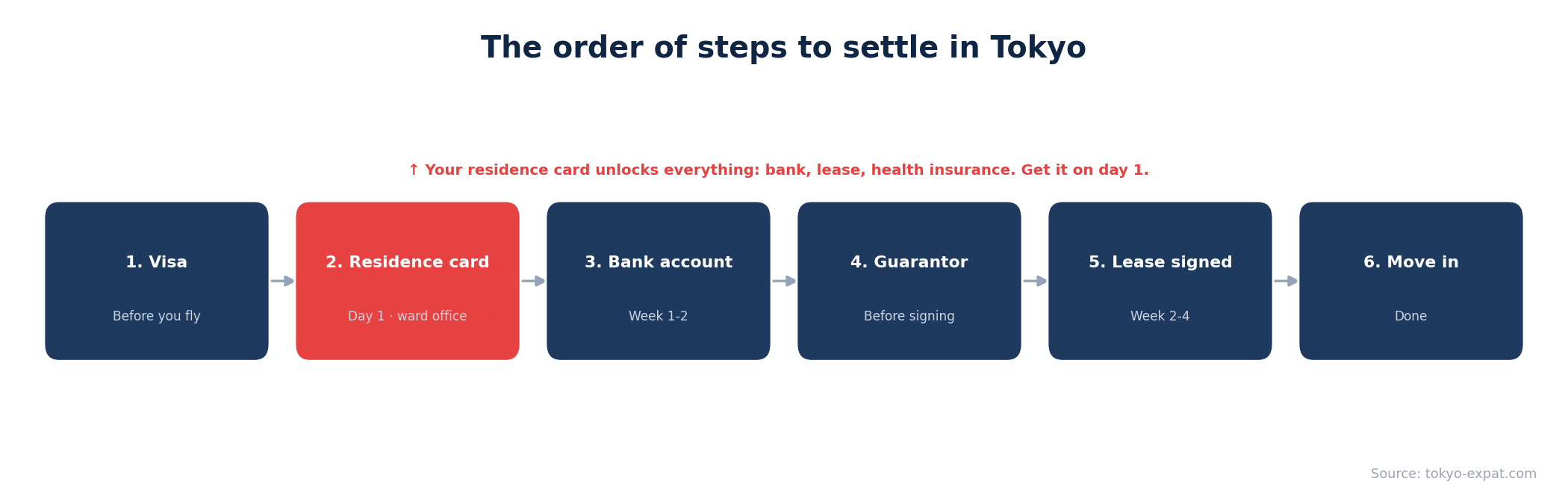
Quick answer: Japan requires every resident, including foreigners, to enrol in health insurance. If you are employed, you join your company's Social Insurance (Shakai Hoken); otherwise you enrol in National Health Insurance (NHI) at the ward office. Both cover about 70% of medical costs, so you pay 30% out of pocket. Enrol as soon as you register your address to avoid back-payments.
The two systems
Every resident in Japan must be covered by one of two systems:
1. Shakai hoken (employee health insurance)
If you are employed full-time by a Japanese company, your employer automatically enrols you in shakai hoken. Contributions are deducted directly from your salary, split between you and your employer. This is the most common situation for expats on a working visa.
2. Kokumin kenko hoken (national health insurance)
If you are self-employed, on a working holiday visa, a student, or your employer does not offer shakai hoken, you must enrol yourself in the national health insurance scheme at your local ward office.
How much does national health insurance cost?
Premiums for kokumin kenko hoken are calculated based on your income from the previous year. For a newly arrived expat with no prior Japanese income history, the minimum premium applies.
Estimates for a single person:
- New arrival with no Japanese income history: 2,000 to 5,000 JPY/month
- Annual income of 3 million JPY: approximately 15,000 to 20,000 JPY/month
- Annual income of 5 million JPY: approximately 25,000 to 35,000 JPY/month
The premium covers the policyholder and dependants (non-working spouse, children).
Get the Japan Relocation Checklist (free PDF)
90+ concrete action items to prepare your move to Japan, across 7 phases. Sent instantly.
What is covered
With either shakai hoken or kokumin kenko hoken, you pay 30% of medical costs. The insurance covers the remaining 70%.
What is covered:
- GP and specialist consultations
- Hospitalisations
- Prescription medications
- Dental care (partially)
- Standard medical tests and procedures
Monthly cost ceiling (kogen ryoyo seido): if your out-of-pocket medical costs in a single month exceed a set threshold (approximately 80,000 to 90,000 JPY for an average income), the insurance covers the excess. This protects against catastrophic expenses.
What is not covered:
- Cosmetic dental treatments
- Glasses and contact lenses (except for medical conditions)
- Some travel vaccines
- Private clinic consultations outside the network
How to enrol in national health insurance
Go to your local ward office (kuyakusho), to the national health insurance counter.
Documents needed:
- Your Residence Card (zairyu card)
- Your passport
- Your registered Japanese address
- Your My Number (if you have received it)
Timing: you must enrol within 14 days of arrival or of losing other coverage (such as leaving a shakai hoken-covered job). Late enrolment results in paying backdated premiums from the date you should have enrolled.
What you receive: a health insurance card (hoken-sho) sent by post within 2 to 3 weeks. Present this card at every medical appointment.
Using your insurance in daily life
At the clinic: show your insurance card at reception. You pay 30% of the consultation cost at the end of the visit.
Real cost of a GP visit: with insurance, a standard consultation typically costs 1,000 to 3,000 JPY depending on the tests performed.
At the pharmacy: prescription medications are also reimbursed at 70%. Over-the-counter medications are not reimbursed.
At the hospital: for hospitalisations, the monthly cost ceiling applies. In practice, even a week-long hospital stay remains manageable with insurance.
Supplementary insurance
Like a complementary mutuelle in France, many residents in Japan take out private supplementary insurance to cover their remaining 30% out-of-pocket share. Companies such as AIA, AXA Japan, and MetLife Japan offer supplementary plans from 2,000 to 5,000 JPY/month.
Useful if you have chronic health conditions or plan to stay several years.
For expats in the installation phase or on international mobility, SafetyWing Nomad Insurance offers a flexible alternative: monthly health coverage with no commitment, activatable before enrolling in kokumin kenko hoken. (affiliate link)
What to do if you fall ill before your insurance card arrives
If you need a doctor before receiving your insurance card, you pay 100% of the consultation cost. Keep all your receipts. Once your card arrives, you can claim reimbursement of the 70% covered portion at your ward office.
See also: Renter's Insurance in Japan: What Every Tenant Should Know.
Planning your move to Tokyo? Book a free consultation to secure housing before you arrive and start your administrative setup on the right foot.
Frequently Asked Questions
Is health insurance mandatory for foreigners living in Japan?+
How much does health insurance cost in Japan for foreigners?+
What does Japanese health insurance cover?+
Can I use my home country health insurance in Japan instead?+
Get the Japan Relocation Checklist (free PDF)
90+ concrete action items to prepare your move to Japan, across 7 phases. Sent instantly.
Need help finding housing in Tokyo?
I help you find the right home, with no Japanese guarantor and no language barrier. Free consultation, no commitment, in English or French.
Book my free consultation